
Constitutional Crisis? Expert Warns of Erosion in American Foundational Principles
POLITICS
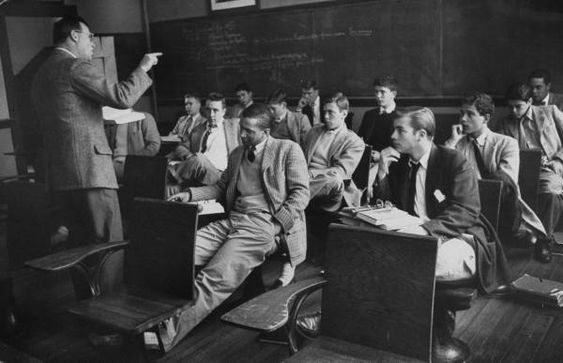
Boston, February 18, 2025 — Amidst the grandeur of Harvard University's storied halls, constitutional scholar Dr. Benjamin Aldridge delivered a riveting lecture that has since ignited nationwide debate. Warning of a potential constitutional crisis, Dr. Aldridge asserts that recent governmental actions are eroding the foundational principles upon which the United States was built.
"We stand at a precipice," Aldridge declared to a packed auditorium of students, professors, and legal professionals. "The delicate balance of power envisioned by our Founding Fathers is under threat, not from external enemies, but from within our own institutions."
Identifying the Threats
Dr. Aldridge cited several concerns contributing to this erosion:
Executive Overreach: Increasing use of executive orders to bypass legislative processes, undermining the role of Congress.
Erosion of Civil Liberties: Laws and policies that infringe upon freedom of speech, privacy, and due process, often justified by national security concerns.
Judicial Compromise: Perceived politicization of the judiciary, with appointments favoring ideological alignment over impartiality.
Public Apathy: A growing disengagement of citizens from civic duties, leading to unchecked governmental power.
Drawing parallels to historical events, Aldridge referenced the Alien and Sedition Acts of 1798 and the suspension of habeas corpus during the Civil War, highlighting how crises have previously tested constitutional limits. "History teaches us that liberties surrendered are not easily regained," he cautioned.
The lecture has resonated deeply within legal communities. Justice Margaret Thompson of the Massachusetts Supreme Judicial Court expressed shared concerns: "Dr. Aldridge's insights prompt necessary reflection on the integrity of our legal system and the importance of safeguarding constitutional protections." In New Lyons, Professor Harold Mitchell of the New Lyons University School of Law echoed these sentiments in a recent symposium, emphasizing the role of education in fostering constitutional awareness.
Federal officials have responded cautiously. Attorney General William Harrington dismissed notions of a crisis: "The government's actions are well within constitutional bounds. We operate under the rule of law, with checks and balances firmly in place." However, some members of Congress, including Senator Eleanor Davis, advocate for increased oversight: "Vigilance is essential. We must ensure that our laws reflect the principles enshrined in the Constitution."
Among the populace, reactions are mixed. Susan Reynolds, a teacher from Philadelphia, expressed concern: "I worry about the future we're leaving for our children. Rights we take for granted could slip away if we're not careful." Conversely, Mark Stevens, a businessman in Chicago, views the warnings as overblown: "Our system is strong. These fears distract from real issues like the economy and national security."
The media's influence in shaping this discourse is significant. Publications across the political spectrum have weighed in, with some endorsing Aldridge's perspective and others criticizing it as alarmist. The NL Sentinel editorial board published an opinion piece urging readers to stay informed and engaged: "Democracy thrives when its citizens are active participants. Let us heed warnings not with fear, but with constructive action."
This debate ties into larger national conversations, including President Robert L. Sterling's bid for a second term and his administration's policies. Questions arise about the balance between security measures and civil liberties, especially in the context of the Cold War and fears of communist infiltration.
In response to these concerns, grassroots organizations are mobilizing. Groups like the Constitutional Guardians advocate for educational programs and community discussions to promote constitutional literacy. Linda Perkins, the group's founder, emphasizes empowerment: "Knowledge is our greatest defense against tyranny. By understanding our rights and responsibilities, we can hold our leaders accountable."
Universities are also taking action. Harvard plans to host a series of debates featuring scholars with varying viewpoints to encourage critical examination of the issues. In New Lyons, the Civic Engagement Society at the local high school organized a mock congressional hearing, allowing students to explore legislative processes and constitutional challenges firsthand.
Dr. Aldridge concludes his message with a call to citizens: "Democracy is not a spectator sport. It demands our active participation, our vigilance, and our unwavering commitment to the principles that define us as a nation."
He encourages individuals to:
Stay informed through reputable sources.
Engage in respectful dialogue with others.
Exercise their right to vote and participate in civic activities.
The question of whether America faces a constitutional crisis remains a topic of intense debate. Dr. Aldridge's warning serves as a catalyst for reflection on the health of the nation's democracy. Whether through academic discourse, legislative action, or grassroots involvement, the collective response will shape the trajectory of the nation's future.
Catherine Hayes is an investigative journalist with the NL Sentinel, specializing in legal affairs and government accountability. Her dedication to uncovering the truth and fostering informed public discourse has earned her acclaim nationwide.
Editor's Note: What are your thoughts on the state of America's constitutional principles? Share your perspectives with us at chayes@nlsentinel.com or join the conversation using #ConstitutionalDialogue.