
Amazon Rainforest: A Growing Crisis Despite Global Awareness
WORLD
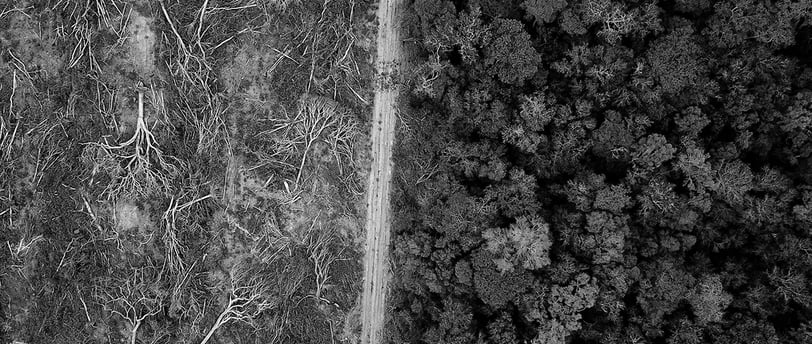
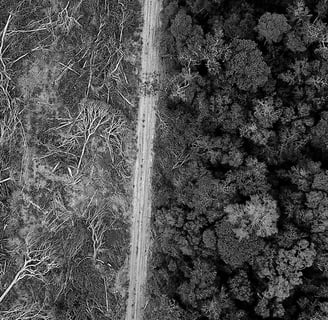
Manaus, September 14, 2024 — Deep within the vast expanse of the Amazon rainforest, a silent crisis is unfolding. Despite increasing global awareness, deforestation and exploitation continue to threaten one of the world's most vital ecosystems. The lungs of our planet are struggling for breath, and time is of the essence.
The Amazon, stretching over two million square miles across South America, is home to an unparalleled diversity of life. Yet, beneath its lush canopy, a battle rages between preservation and progress. Traveling from New Lyons to the heart of the Amazon, I witnessed firsthand the challenges facing this magnificent wilderness. The journey led me to Manaus, a bustling port city where the old and new worlds collide. Here, the encroachment of modern industry upon ancient forest lands is starkly evident.
Local economies are booming with the demand for timber, rubber, and minerals. Logging companies, often backed by international interests, carve roads deep into the forest, leaving scars upon the landscape. "We need to feed our families," says Carlos Mendes, a logger from a nearby village. "The forest provides us with resources. Without this work, we have nothing."However, this development comes at a steep cost. Reports indicate that since 1950, deforestation rates have increased by over 50%. The once impenetrable jungle now bears the marks of human intervention—clearings, roads, and dwindling wildlife.
The indigenous tribes of the Amazon, guardians of the forest for millennia, are caught in the crossfire. The Yanomami people, known for their deep connection to the land, face displacement as their territories shrink. I had the honor of speaking with Chief Tahan, a leader of the Yanomami. Through a translator, he shared his fears: "The forest is our home, our life. When the outsiders cut down the trees, they destroy our way of living. Our children may never know the world as we have."
The ramifications of the Amazon's decline extend far beyond Brazil's borders. Scientists warn that deforestation contributes significantly to climate change by releasing vast amounts of carbon dioxide into the atmosphere. The rainforest plays a crucial role in regulating global weather patterns and sustaining biodiversity. Dr. Maria Silva, an environmental scientist from the University of São Paulo, emphasizes: "The Amazon is not just a Brazilian treasure; it's a global necessity. Its loss would have catastrophic effects on climate, agriculture, and economies worldwide."
Meanwhile, back in New Lyons, the crisis has not gone unnoticed. Environmental groups are organizing awareness campaigns, and schools are incorporating lessons about the Amazon into their curricula. "We may be miles away, but we're connected," says Helen Longdon, founder of the New Lyons Green Initiative. "Our city's industries rely on resources that, if not sustainably managed, will vanish. It's our duty to advocate for change." Local businesses are also stepping up. Evergreen Imports, a New Lyons-based company, announced a commitment to sourcing sustainable materials and reducing reliance on products linked to deforestation.
Despite the grim realities, there are glimmers of hope. International pressure is mounting on the Brazilian government to enforce environmental protections. Conservation organizations are working tirelessly to establish protected areas and promote sustainable practices. I visited a reforestation project led by EcoAmazon, a nonprofit planting native trees in deforested regions. Volunteers from around the world, including students from New Lyons University, are participating. "Every tree we plant is a step toward healing," says Luke Miller, a student from New Lyons volunteering during his summer break. "Being here, you see the difference we can make."
Balancing economic development with environmental preservation requires cooperation between governments, businesses, and communities. Brazil's President recently addressed the issue, stating: "We recognize the Amazon's importance and are committed to finding paths that allow growth without destruction." However, critics argue that actions have not matched words, and enforcement remains weak.
As I prepared to leave the Amazon, the weight of what I witnessed lingered. The sounds of the rainforest—the chirping birds, rustling leaves, distant animal calls—are a haunting reminder of what's at stake. The crisis in the Amazon is not just a regional issue; it's a global emergency demanding immediate attention. From policymakers to consumers, every decision counts. "We need the world to stand with us," pleads Chief Tahan. "Protect the forest, and you protect yourselves."
Laura Mitchell is an international correspondent for the NL Sentinel, specializing in environmental and social issues. Her passion for storytelling drives her to the front lines of the world's most pressing challenges.
Editor's Note: To learn more about supporting Amazon conservation efforts, visit our resource page or join the conversation using #SaveTheAmazon.